
24 Feb Women gain ground in sports video games
The world of sports video games is transforming over time, as major titles integrate female athletes. Joining this trend, EA Sports announced that NHL 25 includes players from the Professional Women’s Hockey League (PWHL). This development follows in the footsteps of franchises such as NBA 2K and EA Sports FC (FIFA), which progressively incorporated female athletes, marking an important and continuous change in female representation in video games.

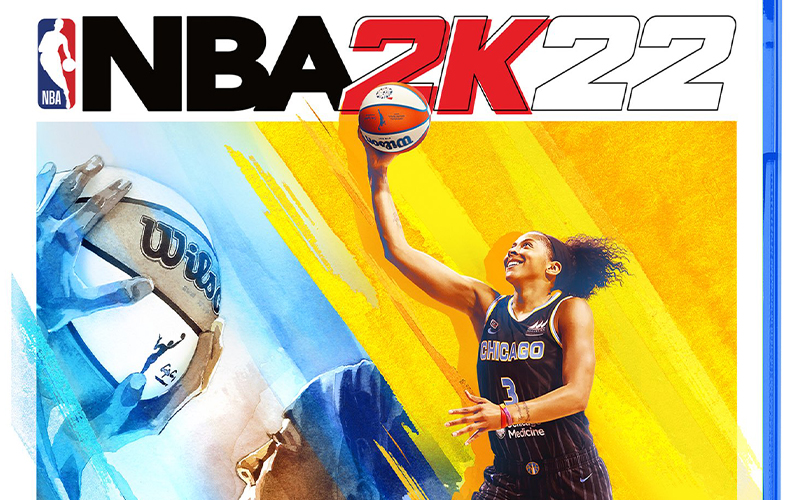
The evolution of female athletes in major video games is moving slowly but significantly. In 2019, NBA 2K included WNBA teams, leading to Candace Parker appearing on the cover of the game in 2021 as the first player in the league to do so.

Since then, WNBA content has grown, with A’ja Wilson making history as the first global WNBA athlete to be on the cover of NBA 2K25, with an unprecedented overall rating of 99 points. Similarly, EA Sports’ FIFA series has featured women’s national teams since 2015, then added clubs in more recent editions.

Now, the integration of the PWHL in NHL 25 marks another milestone. The partnership between EA Sports and the PWHL seeks to raise the bar for women’s hockey across all of its competitions. The game showcases all six PWHL teams, complete with authentic uniforms, real players, and official team branding, and offers fans new ways to connect with women’s professional hockey.

The inclusion of female athletes in major sports video games has a significant impact on visibility and representation. These games are cultural touchstones that influence how millions of players and potential fans perceive and relate to sports. The presence of female athletes alongside their male counterparts normalizes their role in the sports industry and provides diverse role models for new generations.

However, it is essential that video game platforms recognize their responsibility in driving inclusion and authenticity with meaningful representation. This type of integration bridges the gap between the virtual and real worlds, inspires the next generation of athletes, and transforms the perception of women in sports.

Despite progress, full equity remains a challenge. A study published in 2021 in Computers in Human Behavior showed that when NBA 2K included WNBA players, some user reactions reflected the same gender stereotypes and biases present in traditional sports. The study noted that male performance is used as the primary reference and that concerns persist about women “invading” traditionally male-dominated spaces, demonstrating how digital spaces replicate real-world biases.

There are also technical disparities. Some games have fewer features and gameplay options for women’s teams compared to men’s, and in certain cases, online functionality is limited. These differences in implementation show that while there is progress, full parity in video game representation is not achieved.

The incorporation of female athletes into sports video games represents both progress and potential. Each new step marks a step forward in visibility and representation, but the challenge for the industry is to ensure that these additions are not just tokenistic, but are fully realized, equally complete, and receive the same attention as the male versions.
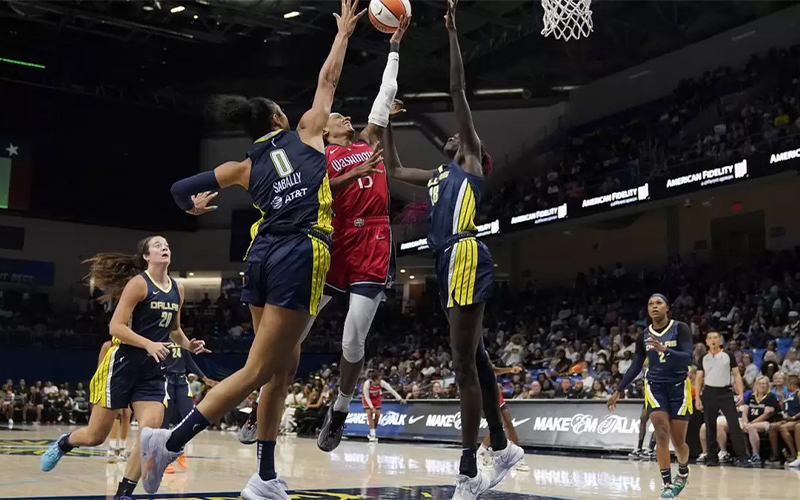
As sports video games evolve, true success will come when the inclusion of female athletes is no longer novel, but expected as a natural reflection of diversity in sport. With each new release and expansion, the industry is moving toward this goal, though the path to full equity continues.
Sorry, the comment form is closed at this time.