
07 Ago The Redefinition of Gaming
In a world where technology and entertainment increasingly converge, gaming has become a cultural phenomenon that transcends generations. Over the last decade, the world of gaming has undergone a radical transformation driven by newer generations who challenge established boundaries and create innovative trends within the industry. One aspect of this redefinition spans from accessibility to narrative and technology, while another concerns the types of games chosen (especially by Generation Z and Alpha). Every facet of the gaming landscape is being shaped by the evolving interests and demands of younger players.
Modern gaming is experiencing significant transformations across various key areas. One major area of change is accessibility, driven by the demand for inclusive games for people with disabilities. This has led developers to integrate features such as customisable subtitles, adaptive controls, and functions for players with varying physical abilities. There is also a growing demand for diversity in games, reflecting the pluralism of genders, ethnicities, and cultures in today’s society. Games now aim not only to entertain but also to authentically and respectfully represent a diverse global audience.

Technological advancement has been another key driver of change in gaming. Younger generations are adopting cloud and mobile gaming platforms, which enhances flexibility and accessibility. This has considerably expanded the player base by allowing more people to enjoy gaming experiences without the need for high-performance equipment.
In areas such as virtual reality and augmented reality, younger generations are leading the charge in seeking immersive and engaging experiences. This has resulted in notable growth in the development of games and applications that explore new forms of interaction and entertainment.
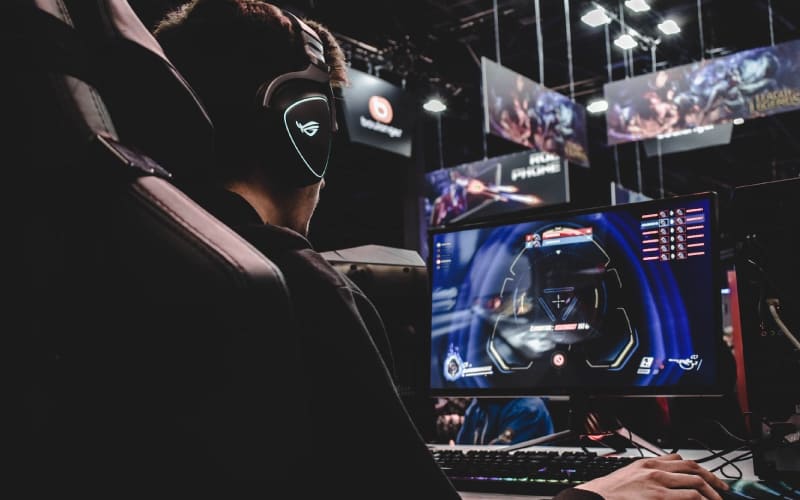
Moreover, modern gaming extends beyond just playing; it also involves building and maintaining communities. Platforms like Twitch and YouTube have facilitated the growth of streaming culture, where gamers share their experiences in real time with global audiences. This has catapulted eSports into a cultural and economic phenomenon, with events drawing millions of viewers and significant prizes.

Regarding new trends, the recent ‘Global Gamer Study’ by Newzoo, which surveyed over 73,000 users in 36 markets, revealed fascinating insights into how different generations engage with video games. Generations Alpha (born in the early 2010s) and Z (born between 1995 and 2009) lead in terms of engagement, with over 90% participating in games in some way. What is intriguing is how gaming has evolved beyond the simple act of playing. Nearly two-thirds of consumers watch gaming-related content, and more than a third participate in other forms of engagement, such as online discussions, podcasts, conventions, and eSports fandom.

Gender preferences also vary between generations. Players from Generations Alpha and Z tend to favour Adventure, Fighting, Racing, and Shooter games, while Puzzle titles attract older generations (X and Y). Caroline Raimundo, Marketing Director at Acer for Latam, noted that “we understand that gaming is more than a pastime; it is a way of life for many. Our commitment is to provide technology that not only meets the performance demands of modern games but also adapts to the various ways different generations interact with the world of gaming,” and concluded that “we are designing products that resonate with the unique needs of each generation of gamers.”
The company also stated that, with their wide range of gaming products, from the Predator line to the more accessible Nitro series, they aim not only to provide high-performance hardware but also to create ecosystems that support the diverse forms of engagement with gaming identified by the Newzoo study. It is clear that younger generations are redefining the gaming landscape through their pursuit of inclusivity, technological innovation, community, and meaningful gaming experiences. This movement is reshaping not only how games are created and played but also how they are perceived and integrated into global popular culture, with the gaming industry evolving towards greater inclusivity.
Sorry, the comment form is closed at this time.