
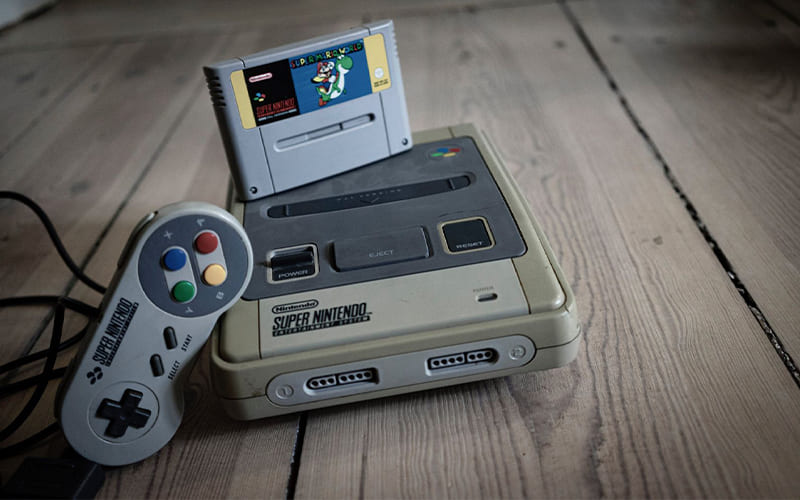
22 Jun Inside California’s Retro Game Modding Scene
In California, a thriving underground scene is keeping retro video games alive — not just by collecting them, but by modifying, enhancing, and sometimes reinventing them. These modders operate in a legal gray area, driven by passion, nostalgia, and creativity, even when their work sometimes brushes against copyright boundaries.
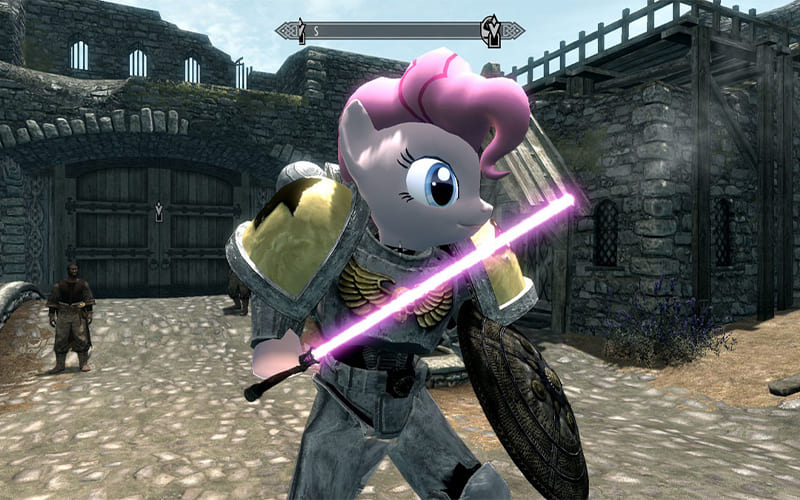
Modding retro games is often compared to fanfiction. Like writing a new chapter in Harry Potter, adding custom content to an old Game Boy or Nintendo 64 game is mostly done for fun, not profit. But when money enters the picture — selling hacked consoles, modified cartridges, or reproduction games — things get more complicated.
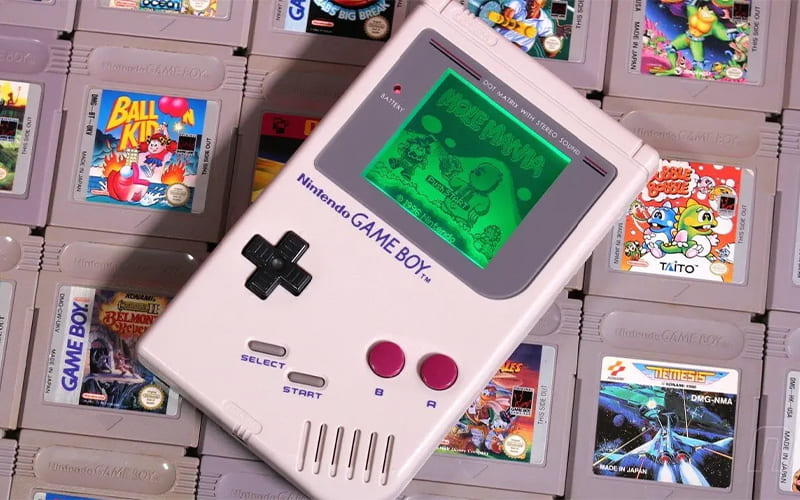
Take Adam from Sacramento. He offers console modification services via Craigslist and other platforms, helping customers unlock new features or run homebrew software. Thomas, based in Modesto, specializes in repairing and upgrading classic consoles through his business, Darkone Customs. His mods include USB-C batteries for Game Boys or better screens for Sega Game Gears. While most of his work is legal, he also creates modchips for the original Xbox — chips that can unlock extra functionality, though he insists they’re not meant for piracy.
Others, like Jacob (aka Hobby Chop), blur the line between gaming and music. He transforms Game Boys into synthesizers used by electronic music producers. His devices, like the Arduinoboy, are legal and made with homebrew software. Still, he’s wary of Etsy cracking down due to the increasing presence of illegal game copies from overseas sellers.
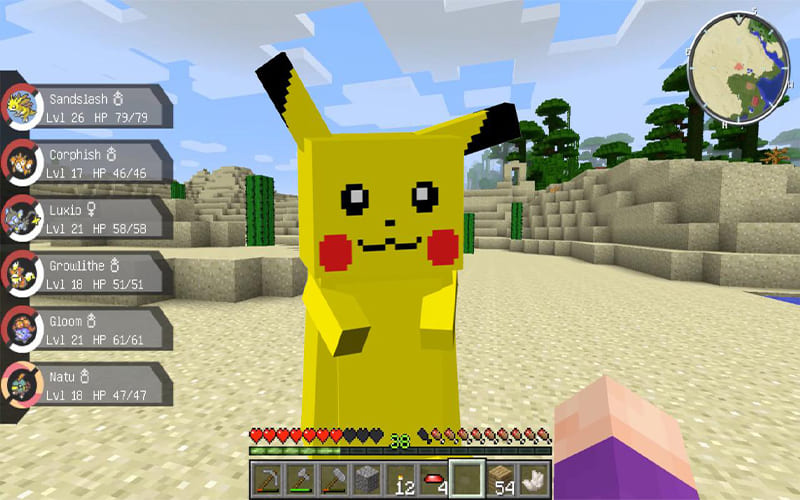
ROM hacks — altered versions of existing games — are also a big part of the scene. These fan-made tweaks add new levels, outfits, or even gameplay mechanics. While they technically infringe on copyrights, they’re often tolerated by game companies. Dylan from Roseville, who runs Retro Zoomin, sells these hacked games on custom cartridges with eye-catching labels. Though he’s aware of the legal risks, he sees his operation as too small to be targeted. “If Nintendo sends me a cease and desist, I’ll frame it,” he jokes.
Ultimately, California’s modding scene is about more than just gaming — it’s about community, creativity, and keeping the past alive in the present. For many, the goal is to go legit, with dreams of one day selling original games instead of just modifying old ones.
Sorry, the comment form is closed at this time.